Table of Contents (15 sections)
Planning a travel getaway should be a joyful experience, but it’s essential to keep health and safety at the forefront of your mind. Here we compile crucial tips to ensure you have a worry-free trip.
1. Research Your Destination
Before packing your bags, it’s vital to conduct thorough research about your travel destination. Look into the local health regulations, vaccination requirements, and potential health risks. For instance, according to the World Health Organization, certain tropical regions may have risks associated with diseases such as malaria or dengue. Understanding these aspects can help you prepare adequately to avoid serious health issues during your trip.
2. Keep Essential Medications Handy
Never underestimate the importance of carrying your essential medications when traveling. Always take enough doses for the duration of your trip, plus an extra supply in case of delays. According to a survey by Travel Health insurance, nearly 30% of travelers reported experiencing health-related issues during trips. Therefore, storing medications in their original packaging and carrying a doctor’s prescription can ensure a smooth experience, especially in countries where certain medications may be restricted.
3. Stay Hydrated and Eat Wisely
While it might be tempting to indulge in local delicacies, you must also consider your health. Stay hydrated by drinking bottled water to avoid waterborne diseases. Also, be cautious about street food. U.S. Centers for Disease Control and Prevention (CDC) advises choosing food that is thoroughly cooked and served hot. Planning meals properly can alleviate potential digestive issues, ensuring your getaway remains pleasant.
4. Follow Travel Insurance Guidelines
Purchasing travel insurance is critical for any getaway, covering unexpected events such as cancellations or medical emergencies. According to Squaremouth, approximately 60% of travelers regretted not securing travel insurance after experiencing unforeseen incidents. Before you travel, review your policy comprehensively to understand coverage limits, exclusions, and claim processes. This will ensure peace of mind while you're away.
5. Monitor Health Situations Locally
Stay informed about any ongoing health advisories in your destination by following local news outlets and government travel advisories. Before your departure, check resources like CDC's Traveler's Health page for the latest updates on disease outbreaks or health concerns in your travel area. Being proactive helps you adapt plans as necessary to maintain health safety.
6. Maintain Good Hygiene Practices
Good hygiene is your first line of defense against illnesses while traveling. Wash your hands frequently with soap and water, or use hand sanitizers with at least 60% alcohol, especially after visiting public places. The WHO emphasizes clean hands as crucial in stopping infectious diseases. Always carry facial masks and tissues for crowded areas, especially amid ongoing health crises.
7. Prepare Emergency Contacts
Before traveling, ensure you prepare an emergency contact list. Include local emergency numbers, the nearest hospitals, and contact details of your country's embassy or consulate. Statistically, 1 in 5 travelers will face a health emergency abroad, making it essential to be prepared. Having these contacts easily accessible can guide you or those traveling with you in case you need urgent help.
8. Respect Local COVID-19 Guidelines
Depending on the destination, you may need to follow specific COVID-19 regulations. This includes wearing masks, adhering to social distancing, and understanding self-quarantine rules. Compliance not only safeguards your health but also demonstrates respect for local customs and health protocols. Check resources such as the CDC or local government websites for up-to-date guidelines.
9. Pack a Health Safety Kit
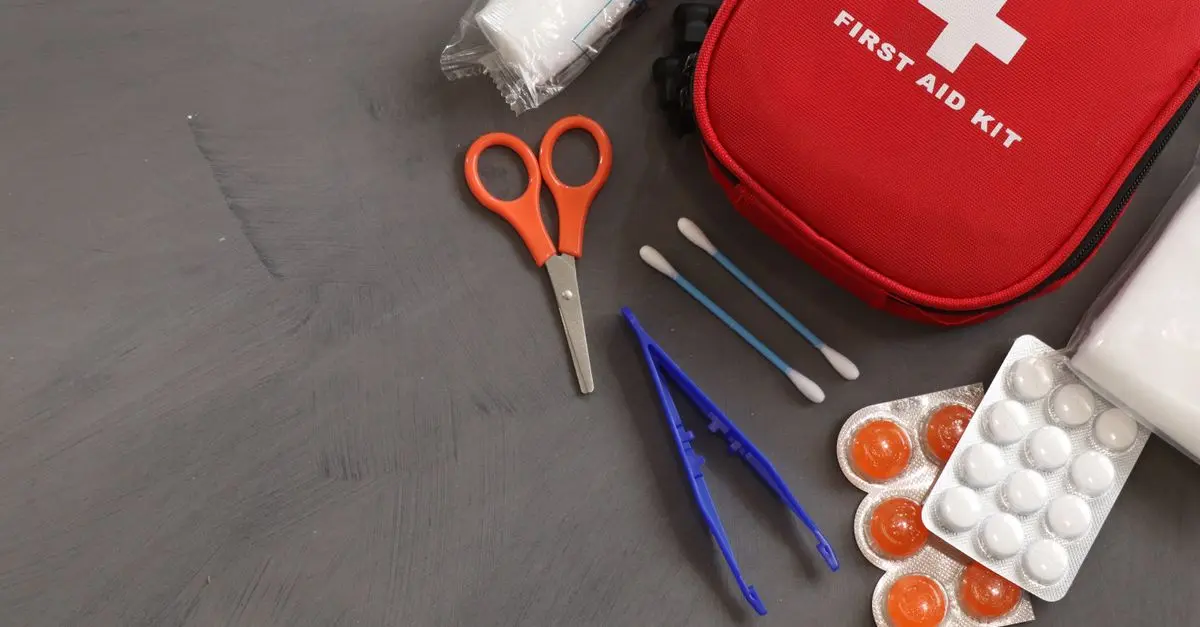
Prepare a travel health safety kit that can be handy for minor emergencies. This kit may include items such as:
- First aid supplies (band-aids, antiseptic wipes)
- Over-the-counter medications (pain relievers, antihistamines)
- Sunscreen and insect repellent
- Masks and sanitizers
Having quick access to these essentials can prevent minor health issues from turning into major problems.
10. Choose Accommodations Wisely
When selecting accommodations, consider their health safety practices. Look for hotels that maintain high hygiene standards, as verified through reviews. The American Hotel and Lodging Association recommends platforms with good ratings for cleanliness. Before booking, you may also reach out to inquire about their COVID-19 safety protocols.
📺 Resource Video
> 📺 For more insights: Health and Safety Tips for Traveling, a detailed analysis of essential practices for a safe getaway. Search on YouTube: travel health safety tips 2026.
✅ Checklist Before You Travel
- [ ] Research destination health advisories
- [ ] Pack essential medications
- [ ] Secure travel insurance
- [ ] Prepare an emergency contact list
- [ ] Create a travel health safety kit
Glossary
| Terme | Définition |
|---|---|
| Travel Insurance | A policy protecting against risks while traveling. |
| Health Advisory | Information regarding health risks in specific areas. |
| Infectious Disease | A disease spread through pathogens, such as viruses or bacteria. |
🧠 Quick Quiz
> What should be included in your travel health safety kit?
> - A) Sunscreen
> - B) Over-the-counter medications
> - C) Both A and B
> Answer: C — Both items are essential for preventing sunburn and minor health issues.