Table of Contents (16 sections)
Planning an eco-friendly getaway requires consideration of several key aspects that prioritize sustainability while providing a fulfilling travel experience. This guide offers a step-by-step approach to create an escape that respects the environment.
1. Understanding the Importance of Eco-Friendly Travel
Eco-friendly travel isn’t just a trend; it’s a necessary pivot toward sustainable tourism. Over the last decade, global tourism has significantly impacted environmental and social facets of every destination. According to the United Nations World Tourism Organization (UNWTO), tourism accounts for approximately 8% of global greenhouse gas emissions. Understanding this context is crucial as it helps travelers become more conscious and responsible.
Choosing eco-friendly travel options can reduce your carbon footprint and promote conservation efforts. Whether it’s supporting local communities or minimizing waste through careful planning, every detail matters. In fact, research indicates that travelers are increasingly prioritizing sustainability in their choices, with 66% willing to pay more for sustainable travel options.
Selecting eco-friendly modes of transport, accommodations that implement green practices, and activities that support the local environment are all essential. This section sets the stage for mindful travel practices that enhance the experience while being kinder to the planet.
2. Step-by-Step Planning for Your Getaway
To embark on your eco-friendly getaway, follow these practical steps:
Step 1: Destination Research
Choosing the right destination is the first and most critical step. Look for places recognized for their commitment to sustainability. For example, countries like Costa Rica and regions like the Netherlands have cultivated eco-friendly tourism through robust policies. Utilize resources like the Global Sustainable Tourism Council to identify certified locations.
Step 2: Selecting Eco-Friendly Accommodation
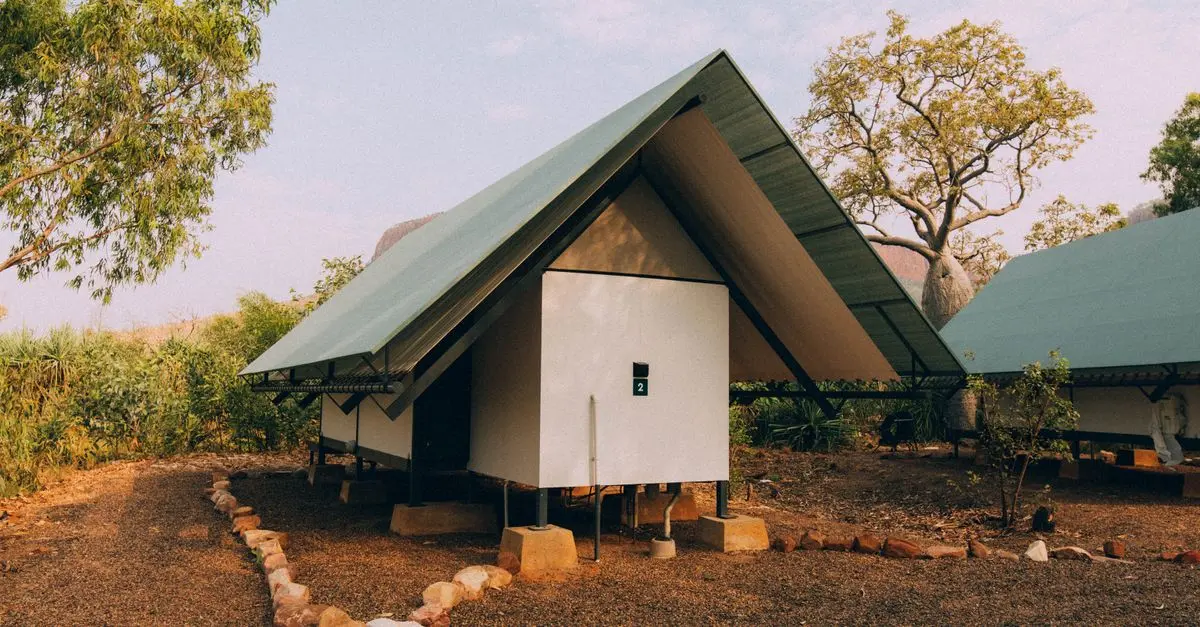
Once your destination is specked out, focus on accommodation. Look for hotels or lodgings that embrace sustainability; this includes using solar energy, recycling, and supporting local initiatives. Websites such as EcoBnB can help find green-certified places. Consider staying at an eco-lodge or a homestay that contributes directly to conservation efforts in the area.
Step 3: Plan Sustainable Activities
Your activities should also align with eco-friendly practices. Opt for guided nature tours, wildlife watching with responsible operators, and local dining experiences. Engaging in voluntourism can also be rewarding, giving back to the community and learning about environmental efforts firsthand.
Step 4: Transportation Choices
Minimizing travel emissions is crucial. Whenever possible, opt for trains or buses rather than flights; both have lower carbon footprints. Consider carpooling or using hybrid and electric vehicle rentals. If you must fly, look into carbon offset programs to compensate for your emissions. Plan your activities to reduce travel distances between them.
Step 5: Preparing Eco-Friendly Packing
Your packing list should also reflect an eco-conscious mindset. Bring reusable items such as water bottles, cutlery, and shopping bags. Opt for multi-purpose toiletries to reduce waste. Avoid single-use plastics and check for eco-friendly product options available in stores at your destination. Packing light can also minimize your travel's carbon footprint.
Step 6: Being Mindful During Your Stay
Stay aware of your impact while traveling. Continue your eco-conscious practices at your destination by conserving energy and water in your accommodation. Respect local ecosystems by following the “Leave No Trace” principles. Being a responsible traveler enriches your experience and contributes to the sustainability of your surroundings.

3. Comparing Eco-Friendly Travel Options
To better illustrate your choices, here's a comparison of different travel methods regarding their environmental impact:
| Mode of Travel | Carbon Emissions (per passenger mile) | Benefits | Drawbacks |
|---|---|---|---|
| Plane | High (0.4 kg CO2) | Fast travel over long distances | Significant carbon footprint |
| Train | Low (0.05 kg CO2) | Scenic views, eco-friendly option | Limited routes, potentially slower |
| Bus | Low (0.1 kg CO2) | Cost-effective, lower emissions | Longer travel times |
| Car (Gasoline) | Medium (0.2 kg CO2) | Flexibility with routes | Environmental impact varies by occupancy |
| Car (Electric) | Very Low (0.05 kg CO2) | Cleaner energy options, lower emissions | Requires charging infrastructure |
| Bicycle | Negligible | Promotes health, no emissions | Limited range, weather dependent |
Engaging in sustainable tourism not only helps the environment but also enhances your travel experience. Research shows that eco-conscious travelers often report higher levels of satisfaction due to meaningful engagement with locals and nature. Traveling sustainably allows for immersive experiences and can strengthen community ties. Additionally, supporting local businesses can lead to unique experiences that large commercial enterprises may not provide. Approximately 87% of travelers say they want to make more environmentally friendly choices when traveling, showcasing a significant shift toward prioritizing sustainability.
💡 Expert Insight:
Staying at eco-friendly hotels can also help enhance local conservation efforts, according to studies from The Nature Conservancy. Travelers can participate in impactful programs that directly benefit the environment while enjoying their stay.
📺 For further insights:
> Explore the nuances of planning eco-friendly getaways in the video linked below, providing in-depth tips and tricks. Search on YouTube for: how to plan an eco-friendly getaway 2026.
Checklist for Planning Your Eco-Friendly Getaway
- [ ] Research eco-friendly destinations
- [ ] Choose green accommodation
- [ ] Plan sustainable activities
- [ ] Select low-emission transportation
- [ ] Pack eco-friendly items
- [ ] Be mindful and respect local practices
Glossary
| Term | Definition |
|---|---|
| Eco-Tourism | Responsible travel to natural areas which conserves the environment, respects local cultures. |
| Carbon Footprint | The total greenhouse gas emissions caused directly and indirectly by an individual, organization, event, or product. |
| Leave No Trace | A set of outdoor ethics promoting conservation in the outdoors by reducing human impact. |
Conclusion
Embarking on an eco-friendly getaway not only provides a refreshing travel experience but also contributes positively to the planet. Following this guide ensures mindful planning, leading to travels filled with adventure, learning, and sustainability.
Remember to discover our recommendations below for products that will enhance your sustainable journey while minimizing your ecological impact.
📺 Pour aller plus loin : how to plan an eco-friendly getaway 2026 sur YouTube
Recommended products
Selected by our experts
Ninety Union Getaway Women's Red Boot 10 M - Gender: female
shoemall.com
These stylish boots are perfect for eco-friendly travels with their comfortable design, suitable for various terrains.
Crocs Getaway Glimmer Strappy - Size: W9 - Female
crocs.com
These comfortable sandals are ideal for walking and exploring during your sustainable vacation, promoting sustainable materials.
Crocs Getaway Triangle Flip - Size: W10 - Female
crocs.com
Designed for versatility, these flip-flops are excellent for conserving space in your eco-friendly bag while staying stylish.