Table of Contents (10 sections)
Traveling allows us to explore new cultures, and one of the best ways to do this is through local cuisine. Engaging with the local food scene not only tantalizes the taste buds but also offers a deeper understanding of the place we’re visiting. In this comprehensive guide, we'll share essential tips for enjoying authentic local dishes during your travels.
1. Do Your Research Before You Go
Planning is crucial when it comes to experiencing local cuisine on your getaway. Start by researching the destination's culinary specialties. Websites like Eater, Local Eats, or websites dedicated to travel guides can offer insights about must-try dishes and popular dining spots. Additionally, look for local food blogs or forums where recent travelers share their experiences.
For example, if you're heading to Bangkok, searching for dishes like Pad Thai, Som Tum, and the city’s famous street food will give you a head start. On the other hand, if you're visiting Mexico City, learn about Tacos al Pastor or Chiles en Nogada. Understanding what to seek out beforehand can make your culinary adventure more fulfilling.
Pro Tip: Collaborate with locals through platforms like Airbnb Experiences or guided food tours to get firsthand recommendations. These connections can lead you to hidden gems that aren’t widely advertised.
2. Visit Local Markets
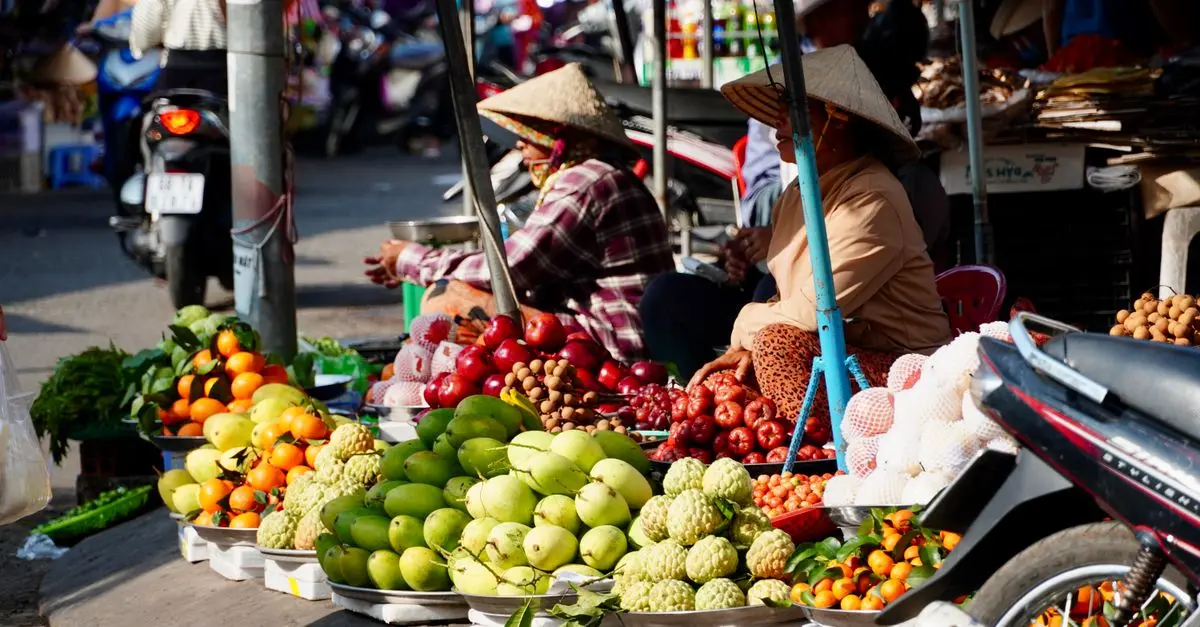
Local markets are often the heart of a community and visiting them not only grants access to fresh ingredients but also unique dining experiences. Markets such as the Pike Place Market in Seattle or La Boqueria in Barcelona offer a plethora of choices.
When you visit a local market, spend time talking to vendors. Vendors usually have a wealth of information about their products. Ask them for recommendations on local dishes and how to prepare them. If you’re in Nairobi, don’t miss out on the Kenyatta Market where you can explore vibrant stalls filled with fruits, vegetables, and spices unique to the region. You might even be tempted to try local snacks or street food stands.
Be Cautious: While exploring, remember to practice food safety. Ensure the food looks fresh and is prepared in clean environments to avoid any health issues.
3. Dine Where the Locals Do
To truly savor authentic local cuisine, consider dining where the locals go. Restaurants that are popular among residents may offer menus with dishes that are true to their heritage. For instance, in Lisbon, look for neighbourhood tasquinhas (small taverns) known for serving Bacalhau à Brás.
While Michelin-starred restaurants can offer exquisite experiences, often the best food comes from unassuming local places. Use apps like Yelp or Google Reviews to find spots with high ratings and authentic menus.
Warning: Avoid tourist traps located near major attractions; they often have inflated prices and exoticized dishes. Rather, venture a little further to discover local favorites.
4. Attend Local Food Festivals
Attending food festivals is an excellent way to immerse yourself in the culture of a region. These events often showcase regional specialties, cooking demonstrations, and the chance to meet local chefs. For example, the Oktoberfest in Germany isn't just about beer—local dishes like pretzels and sausages are equally celebrated.
Similarly, in San Francisco, the Food & Wine Festival attracts culinary enthusiasts from around the world. Participating in these festivals helps you taste various dishes in one setting and gives you a sense of community.
When looking for local events, check websites like Eventbrite or community forums. Many towns have seasonal fairs that can lead you to find incredible local cuisine.
5. Take a Cooking Class
One of the best ways to connect with local cuisine is to take a cooking class. Not only do you get to learn how to make traditional dishes, but you also gain insight into local ingredients, cooking techniques, and food history. For instance, a pasta-making class in Italy can immerse you in cultures surrounding the country’s iconic dishes.
Look for classes that emphasize hands-on experiences over simple demonstrations. You can often find courses through local culinary schools or workshops that also offer market tours as part of the package.
Real Experience: Many travelers report that cooking classes provided a great outlet for cultural exchange, as you are often paired with locals who share stories about their culinary traditions.
📺 Resource Video
> 📺 For further exploration: Watch our video on local culinary experiences across the globe, featuring authentic dishes and cooking techniques. Search on YouTube: local cuisine getaway.
6. Don’t Be Afraid to Experiment
While it is essential to try local favorites, don't shy away from adventurous options. Each region has unique dishes that may seem unappetizing at first glance, but could surprise you. Foods like haggis in Scotland or escargot in France might be outside your comfort zone, but they are part of the cultural fabric.
When in doubt, ask your server for recommendations on their favorite dishes or what they would suggest for first-time visitors. You might discover new favorites that you wouldn’t normally have tried.
Final Thought: Keep an open mind, and you may create lasting memories centered around food that you'll cherish long after your trip.
Checklist for Experiencing Local Cuisine
- [ ] Research local dishes before your trip.
- [ ] Visit local markets and engage with vendors.
- [ ] Dine at establishments popular with locals.
- [ ] Attend local food festivals and events.
- [ ] Consider taking a cooking class.
- [ ] Be adventurous and try something new!
Glossary
| Term | Definition |
|---|---|
| Cuisine | A style of cooking associated with a particular culture or region. |
| Street Food | Prepared or cooked food sold by vendors in public places. |
| Farm-to-Table | A movement that promotes serving food directly from local farms to consumers. |
> 🧠 Quick Quiz: What is the primary benefit of trying local cuisine on trips?
> - A) To experience culture
> - B) To eat fast food
> - C) To avoid trying new things
> Answer: A — Eating local cuisine helps immerses you in the local culture.